
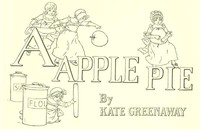
A Apple Pie
Written by Kate Greenaway
Chaptra reads alongside you — AI insights, chapter breakdowns and reader discussions for every book. Join free
About this book
Reading guide
Themes, characters and key ideas in A Apple Pie, written by Chaptra AI.
- about 8 hours
- beginner
- whimsical
- charming
- educational
Kate Greenaway's "A Apple Pie" is a beloved late 19th-century children's picture book that charmingly illustrates the traditional alphabet rhyme. Through whimsical personifications of each letter, the story unfolds around a shared apple pie, where characters from A to Z engage in various actions related to the treat. The book primarily explores themes of communal enjoyment, early literacy, and the playful dynamics of sharing, all presented with Greenaway's distinctive, delicate illustrations. Its simple, rhythmic narrative and engaging visuals make it a foundational work in children's literature, emphasizing the joy of collective experience and the foundational learning of the alphabet.
“A was an Apple-pie”
Key themes
- Early Literacy and Alphabet Learning
- The fundamental purpose of "A Apple Pie" is to introduce children to the alphabet in a memorable and engaging way. By associating each letter with a distinct action and a charming illustration, the book makes the abstract concept of letters concrete and fun. The rhythmic, repetitive structure aids in memorization and recognition, making it an effective tool for foundational learning.
- Sharing and Community
- While initially focused on individual actions with the pie, the overarching theme culminates in the collective enjoyment and distribution of the treat. The sequence of actions, though sometimes involving 'fighting' or 'getting,' ultimately leads to a shared experience, implying lessons in cooperation and the benefits of communal interaction. The apple pie serves as a catalyst for social engagement and the demonstration of group dynamics.
- Whimsy and Imagination
- Kate Greenaway's distinctive artistic style and the very concept of personified letters interacting with a pie imbue the book with a strong sense of whimsy. It encourages children to engage their imaginations, seeing abstract symbols (letters) come alive and participate in a playful narrative. This imaginative quality makes learning enjoyable rather than purely didactic, fostering creativity alongside literacy.
Worth discussing
How do the illustrations help tell the story and bring the letters to life?
Chapter-by-chapter breakdowns, character arcs and the full thematic analysis come with a free account.
Discussions
No one has started one yet
Questions this book opens up
No discussions yet
Be the first to start a discussion about this book!
Sign up to start the discussionReviews
No reviews yet
Be the first to review this book!